

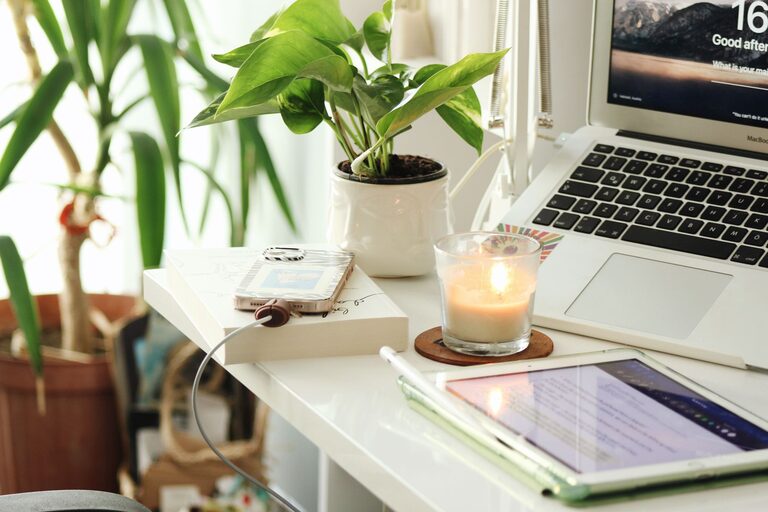
Creating a relaxing home workspace is essential for maintaining focus and reducing stress while working or studying. A thoughtfully designed workspace helps you feel comfortable and motivated, making it easier to be productive without feeling overwhelmed. Whether you have a dedicated office room or just a small corner, these tips can help you create a soothing environment that supports your work and well-being.
1. Choose the Right Location
Selecting the right spot for your workspace is the first step. Ideally, pick a quiet area with minimal distractions. If possible, a room with a door can help separate work from home life.
Consider natural light
Position your desk near a window to benefit from natural light. Sunlight improves mood and energy, making your workspace feel open and inviting. Avoid glare on your screen by placing your desk perpendicular to the window.
2. Invest in Comfortable Furniture
Comfort is key when setting up a workspace you’ll use for hours. Choose a chair with good lumbar support to protect your back. An adjustable chair and desk can help you maintain good posture.
Ergonomics matter
Keep your feet flat on the floor, with your knees at a 90-degree angle. Your screen should be at eye level to avoid neck strain. Consider a footrest or ergonomic keyboard if needed.
3. Declutter and Organize
A tidy workspace reduces stress and improves focus. Keep only essential items on your desk. Use storage solutions like drawers, shelves, or bins to organize supplies and paperwork.
Daily cleaning habit
Spend a few minutes each day putting things back in place. This simple habit helps maintain a clutter-free and calming environment.
4. Add Soothing Colors and Decor
Colors have a psychological impact on mood. Soft, neutral tones like light blues, greens, and grays can create a peaceful atmosphere.
Personalize wisely
Add plants, artwork, or photos that inspire and relax you. Avoid overly bright or busy patterns that might distract you.
5. Manage Noise Levels
Noise distractions can break your concentration. Use noise-canceling headphones if needed or play gentle background music like instrumental or nature sounds.
Consider soundproofing
If possible, add rugs, curtains, or wall panels to absorb excess noise.
6. Control Lighting
Good lighting prevents eye strain and sets a comfortable tone. Besides natural light, invest in a quality desk lamp with adjustable brightness.
Warm vs. cool light
Warm light (yellowish) creates a cozy feel, while cool light (bluish) can improve alertness. Choose based on your preference and time of day.
7. Incorporate Break Spaces
Designate a small area nearby for short breaks. A comfortable chair or cushion for stretching helps refresh your mind during work sessions.
Encourage movement
Regular breaks to stand, stretch, or walk improve circulation and reduce fatigue.
8. Maintain Air Quality
Fresh air keeps you alert and comfortable. Open windows when weather permits or use an air purifier to improve indoor air quality.
Add plants
Certain indoor plants help filter air and bring a touch of nature indoors, promoting relaxation.
9. Set Boundaries for Work and Rest
Clearly separate your workspace from leisure areas. When your workday ends, close a door or pack away your work materials to signal a break.
Use routines
Starting and ending your day with consistent routines helps maintain a healthy balance.
Final Thoughts
Creating a relaxing home workspace doesn’t require a large budget or space. Thoughtful choices in location, furniture, lighting, and organization can transform any spot into a calm and productive environment. Focus on what makes you feel comfortable and reduce distractions, and you’ll enjoy a more peaceful and efficient workday at home.
Remember, your workspace should support both your work and wellbeing — a place where you can focus, create, and recharge.